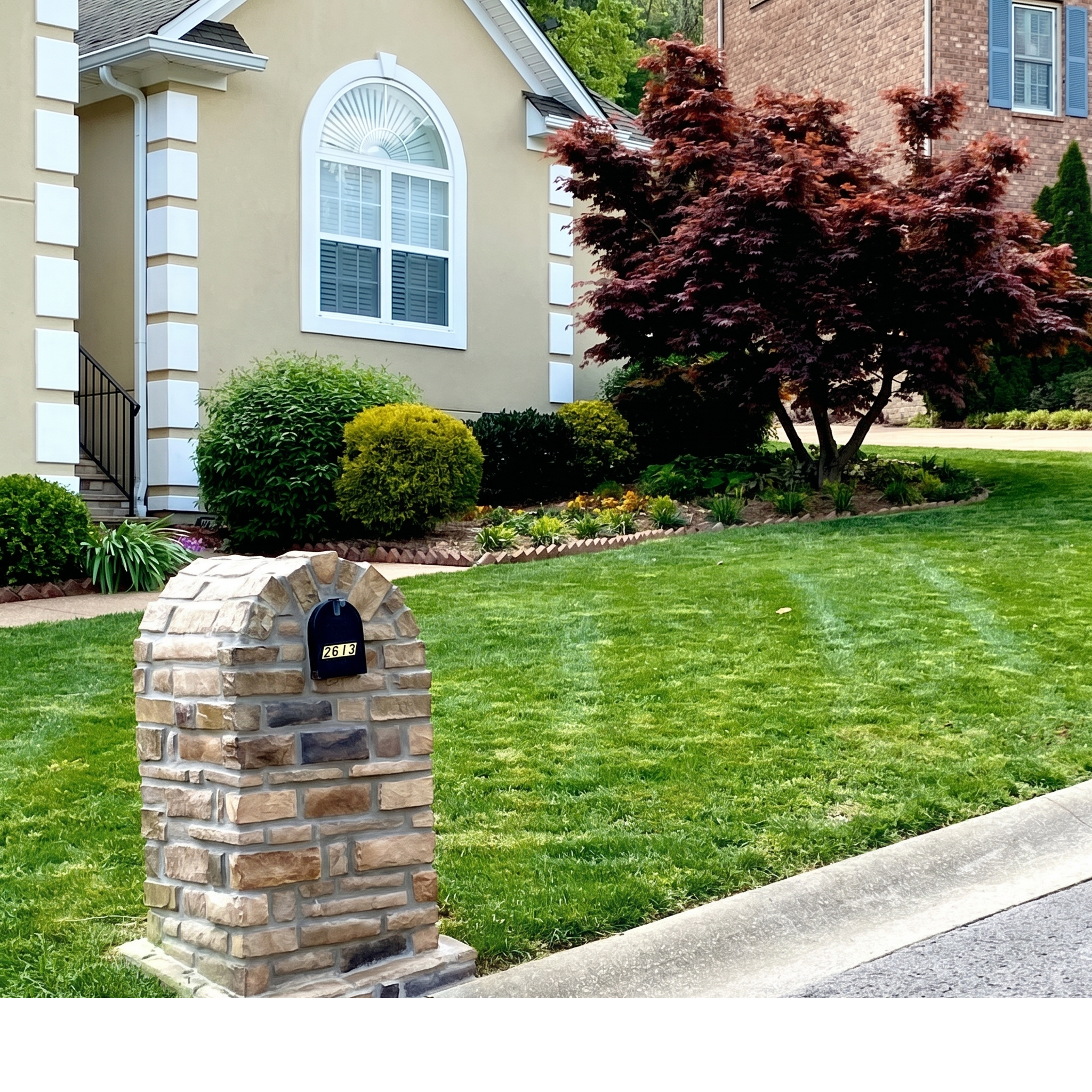
Designing a Low-Maintenance Landscape: Tips for Busy Homeowners Mar 12, 2026
The first step in designing a low-maintenance landscape is to plan with purpose. Begin by evaluating your existing outdoor space and consider how you wish to use it. Whether you desire a peaceful retreat, an entertaining spot, or a playful area for children, setting clear priorities will help in selecting features and plants that align with your vision. A well-thought-out plan not only saves time but also extends the longevity of your landscape by choosing elements that thrive in your local climate.
Next, focus on choosing the right plants. Opt for native plants as they are naturally adapted to the local environment, requiring less water and care. These resilient varieties typically resist local pests and diseases better, reducing the need for chemical treatments. Additionally, native plants support local wildlife, enhancing the biodiversity of your garden. Incorporating a mix of perennials can further reduce maintenance due to their recurring blooms each year, providing continual beauty without additional planting efforts.
Incorporating hardscaping elements is another effective strategy to minimize upkeep. Features such as patios, walkways, and stone walls add structure and definition to your garden while reducing lawn space, which translates to less mowing and watering. Materials like natural stone, gravel, and composite decking require minimal annual maintenance and provide a sleek, polished look. Hardscaping not only enhances aesthetics but offers functional spaces for entertaining and relaxation without constant attention.
Mulching is also crucial in maintaining a low-maintenance landscape. Applying a layer of mulch in garden beds helps in retaining soil moisture, reducing the need for frequent watering. It also inhibits weed growth, minimizing the time spent on manual weed removal. Organic mulches, such as bark chips and shredded leaves, also improve soil fertility as they decompose, benefiting your plants over time.
An efficient irrigation system is another key ingredient. Installing a drip irrigation system ensures plants receive appropriate water directly to their roots, reducing waste and promoting healthy growth. It's a smart investment that saves time and conserves water. Additionally, timers and sensors can automate watering schedules, further alleviating the manual task of watering your yard.
For those who love the charm of a well-kept lawn but dread the upkeep, consider opting for drought-tolerant grass varieties or even artificial turf in areas that are seldom used. These options require less frequent mowing, watering, and generally thrive with minimal care, aligning perfectly with the concept of a low-maintenance yard.
Concluding with lighting considerations, integrating solar-powered landscape lighting not only highlights your garden’s beauty but also requires little to no maintenance. Solar lights are easy to install, energy-efficient, and offer ambient illumination without the hassle of wiring.
In summary, achieving a low-maintenance landscape involves strategic planning, investing in native plants, incorporating hardscaping, using mulch, installing efficient irrigation, and utilizing sustainable lighting solutions. By following these tips from Pro Lawn and Landscape, you can create a stunning outdoor space that enhances your home’s curb appeal while giving you more time to enjoy it.
/filters:no_upscale()/filters:format(webp)/media/d27c3f8c-9ae4-45cf-a497-6013aba9956c.png)