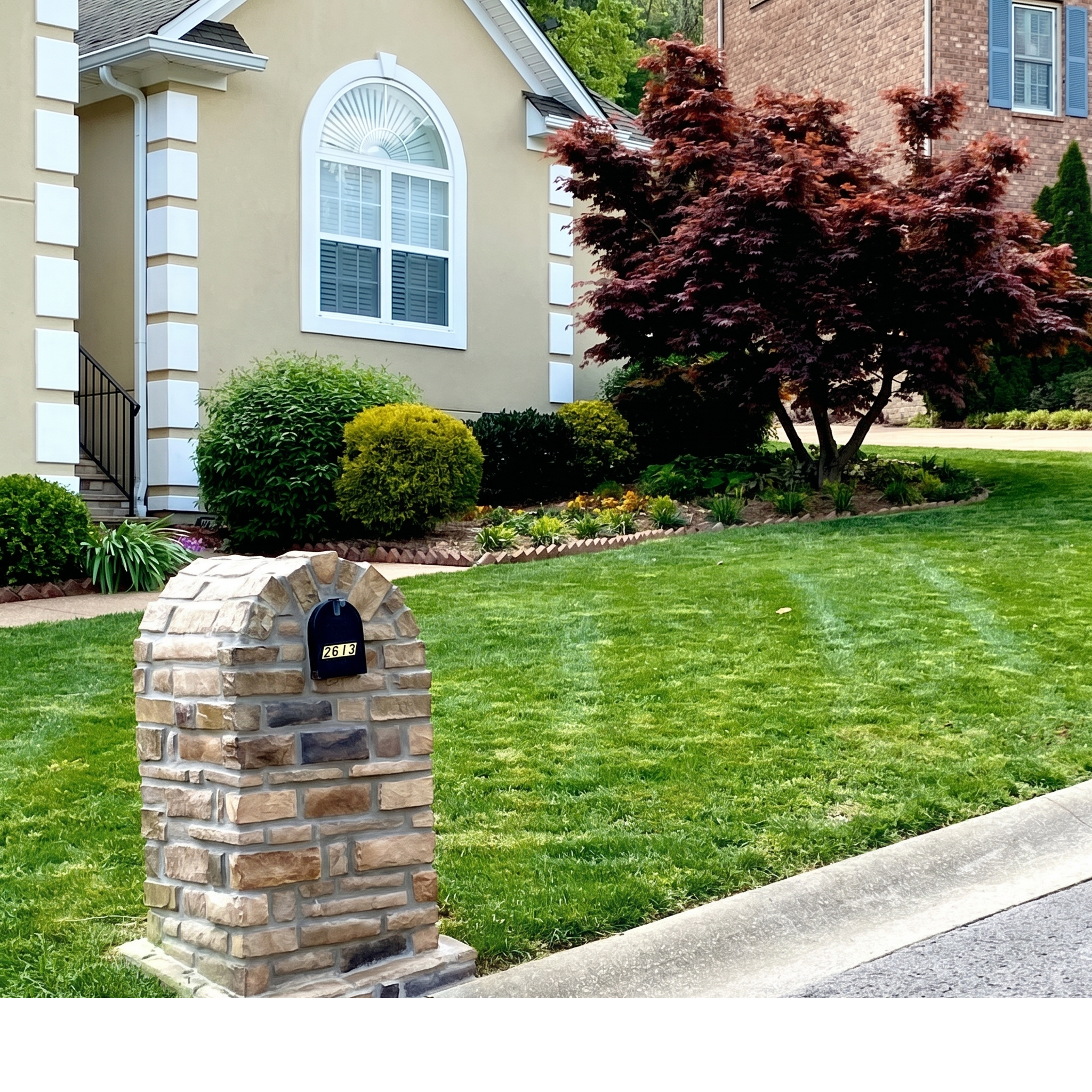
Discover the Perfect Stone Path: Hardscaping Tips for a Seamless Look Mar 26, 2026
To begin with, consider the purpose and location of your stone path. Are you looking for a charming walkway leading to a garden, or a more robust path that can withstand heavy foot traffic? Determining the function will guide your choice of materials and the path's overall design. For example, a garden path might benefit from the softer look of flagstone, while a main walkway may require durable options such as cobblestones or concrete pavers.
Next, take into account the style and design of your home and landscape. A cohesive look is essential for a seamless hardscape. Consider the color scheme and textures in your existing environment. Granite and slate offer a rustic, natural feel perfect for traditional landscapes, while marble and limestone provide a sleek, modern appearance suitable for contemporary settings.
Once you have a vision for your path, it's time to focus on the layout. Meandering paths offer a relaxed, whimsical vibe, creating a sense of exploration in a garden. Alternatively, a straight path can direct attention to a specific focal point, such as a water feature or a beautiful tree. Regardless of the style, ensure that the path smoothly integrates with other elements of your garden, leading naturally from one area to another.
Material selection is crucial in creating the perfect stone path. Consider the durability, maintenance, and cost of different stones. For instance, cobblestones are highly durable and ideal for high-traffic areas, but they can be expensive. On the other hand, gravel is a budget-friendly option that provides excellent drainage. Whatever your choice, ensure the stones are weather-resistant and suitable for your climate.
A well-constructed base is the foundation of any successful hardscaping project. Begin by excavating the area where your path will lie, then lay a compacted layer of gravel to ensure proper drainage. This step is vital in preventing water from pooling on the path and causing damage over time. After the base is prepared, arrange your chosen stones in the desired pattern, leaving even spaces between them for jointing material.
Finally, pay attention to details that enhance comfort and accessibility. Provide a smooth, level surface by setting stones at an even height. Ensure the joints between stones are filled with sand or gravel to maintain stability and prevent shifting. Consider adding lighting along the path to enhance its appearance and functionality during the evening.
By thoughtfully considering these elements—function, design, layout, material, and construction—you can create a stone path that not only enhances your landscape but also serves as a durable, inviting feature. At Pro Lawn and Landscape, we’re dedicated to helping you achieve the hardscape of your dreams. Whether you're embarking on a DIY project or seeking professional guidance, remember that a well-planned process is key to a stunning, seamless result. Embrace the beauty and functionality of a perfect stone path and watch as your outdoor space becomes a cohesive extension of your home.
/filters:no_upscale()/filters:format(webp)/media/d27c3f8c-9ae4-45cf-a497-6013aba9956c.png)